What Affects Replacement Window Cost in Buffalo, NY
Replacement Window Pricing in Buffalo, NY
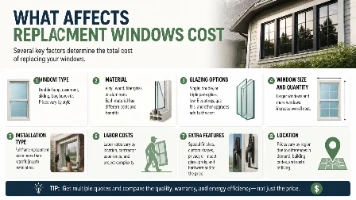
Now that you've had a chance to get an online quote for replacement windows from our app, you may be wondering what actually affects the cost of new replacement windows in Buffalo, NY. It's a fair question — window pricing isn't arbitrary, and once you understand the variables behind it, the number on your quote will make a lot more sense.
You've probably also noticed something frustrating while researching on your own: nobody seems to give a straight answer on price. One company quotes $500 per window, another says $2,500, and a contractor who came out for an estimate mentioned a number that didn't match either. The truth is, all of those numbers can be correct — for a different window, in a different home, installed a different way.
Replacement window pricing isn't arbitrary. It's built from a handful of specific variables, and once you understand what they are, the wide range of quotes you're seeing starts to make a lot more sense. Buffalo's climate adds a few local wrinkles too — lake-effect snow, high winds off Lake Erie, and freeze-thaw cycles all influence what kind of window actually makes sense for your house. Here's a breakdown of the factors that determine what you'll actually pay.
Window Type
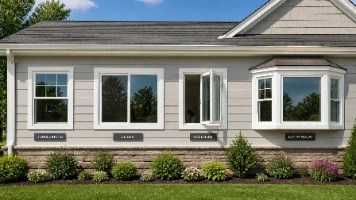
The style of window you choose is one of the biggest cost drivers, because different styles require different amounts of hardware, engineering, and labor to manufacture and install.
Double-hung windows — the classic style where both sashes slide vertically — are the most common replacement choice in older Buffalo homes, and they tend to sit in the middle of the price range. Sliders, which move horizontally, are usually a bit less expensive because the mechanism is simpler. Casement windows, which crank outward and seal tightly against the frame, cost more due to their hardware and their superior air-sealing performance — a real advantage during Buffalo winters when wind-driven cold air finds every gap it can.
Specialty shapes — bay windows, bow windows, and custom geometric shapes — sit at the top of the price range. A bay window isn't really one window; it's three windows joined at angles with a supporting roof structure, which means you're paying for the complexity of a small construction project, not just a window unit.
Type of Material
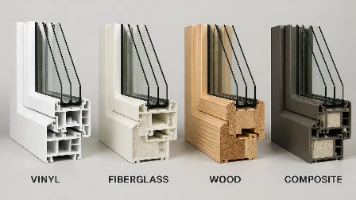
Window frame material affects both the sticker price and the long-term cost of ownership. Vinyl is the most common material in the Buffalo market today, and for good reason: it doesn't rot, doesn't need painting, and holds up well against humidity and temperature swings. It's also the most budget-friendly option, which is why the majority of replacement projects in the region use it.
Fiberglass frames cost more upfront but expand and contract at nearly the same rate as glass, which matters in a climate that swings from summer humidity to sub-zero winters. That similarity in expansion rates means fewer seal failures over time. Wood frames offer a classic look, especially valued in Buffalo's older, architecturally distinct neighborhoods, but they require more maintenance and typically cost more than vinyl. Wood-clad or aluminum-clad options try to split the difference — wood on the interior for appearance, a low-maintenance material on the exterior — but that hybrid construction adds to the price tag.
Composite materials, which blend wood fibers with polymers, are a newer entrant that aims for wood's look with vinyl's durability, and they're priced accordingly — above vinyl, generally below fiberglass.
Glazing Options
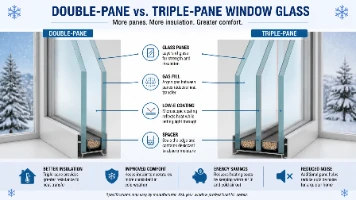
Glazing refers to the glass itself, and this is where Buffalo's climate really matters. Single-pane glass is essentially obsolete for replacement projects in this region — it doesn't insulate well enough to justify the money, and most homeowners skip straight to double-pane as a baseline.
Double-pane glass, with an insulating air or gas layer sandwiched between two panes, is the standard choice today. From there, the upgrades stack up: low-E (low-emissivity) coatings reflect heat back into the room during winter and block excess solar heat in summer, and they're inexpensive enough that most contractors include them as a default rather than an upsell. Argon or krypton gas fills between the panes improve insulation further, with krypton costing more but offering better performance in narrower gaps.
Triple-pane glass is the top tier, adding a third pane and an extra insulating gap. It's a meaningful jump in price, but for a climate that regularly sees sustained sub-freezing temperatures and biting wind off the lake, some homeowners find the extra comfort and energy savings worth it — particularly on north-facing walls or rooms that have always felt drafty.
Window Size
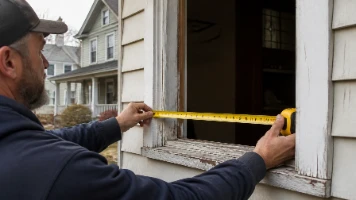
This one is fairly intuitive: bigger windows cost more, both in materials and installation labor. But size affects price in less obvious ways too. Oversized windows may require reinforced framing or structural modifications to the rough opening, especially in older homes where the original opening wasn't built to modern engineering standards. Non-standard sizes also can't be pulled from a manufacturer's stock inventory, which means a custom order — and custom orders come with both a cost premium and a longer lead time.
If your home has a mix of standard and custom sizes, expect your quote to reflect that variation window by window rather than a single flat per-unit price.
Installation Type
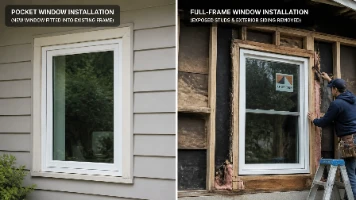
There are two fundamentally different ways to replace a window, and the difference in cost is substantial. A pocket replacement (sometimes called an insert or retrofit installation) keeps the existing window frame in place and fits a new window unit inside it. This is faster, less invasive, and cheaper, and it's the right choice when the existing frame is structurally sound.
A full-frame replacement removes the window down to the studs, including the old frame, exterior trim, and often some siding. It's more labor-intensive and costs more, but it's necessary when there's rot, water damage, or structural compromise — all of which are more common in older Buffalo housing stock that has weathered decades of harsh winters. Full-frame replacement also allows for correcting a window that was poorly installed the first time around, which can be worth the extra cost if it solves a longstanding draft or moisture problem.
Labor Cost
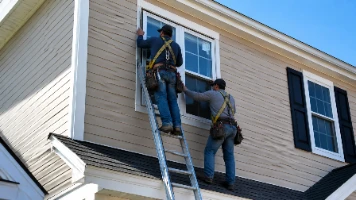
Labor typically makes up a significant portion of the total project cost, and it varies based on a few factors beyond just installation type. Second-story or hard-to-access windows take longer and may require additional equipment. Homes with lead paint (common in pre-1978 Buffalo housing) may require EPA RRP-certified lead-safe work practices, which adds time and cost. The number of windows being replaced in a single project also affects the per-window labor rate — a whole-house job typically has a lower per-unit labor cost than replacing just one or two windows, since the contractor can spread setup and mobilization costs across more units.
Local labor rates in the Buffalo/Western New York market are generally more moderate than in major metro areas, which is one advantage homeowners here have compared to, say, downstate New York or big coastal cities.
Extra Features
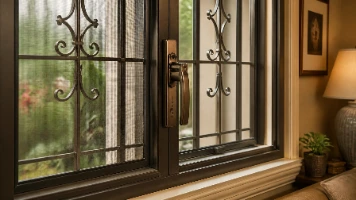
Beyond the core window itself, several optional add-ons can shift the final price. Grilles or grids (the decorative bars that create a multi-pane look) add a modest cost, and can be installed between the glass panes, on the surface, or removable. Custom exterior colors beyond standard white or tan typically carry an upcharge, as do specialty hardware finishes.
Security features like laminated glass or upgraded locking mechanisms add cost but can be worthwhile for ground-floor windows. Screens, especially retractable or solar screens, are usually priced separately. And some homeowners opt for extended warranties beyond the manufacturer's standard coverage, which is worth considering given how much Buffalo's freeze-thaw cycles stress seals and frames over the years.
Location
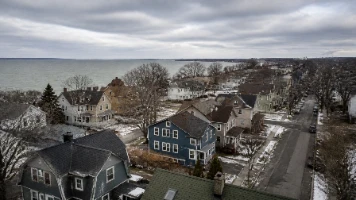
Finally, where you live affects the price — both in terms of regional cost differences and site-specific factors. Homes closer to Lake Erie and Lake Ontario deal with more extreme wind loads, which can push homeowners toward higher-performance windows rated for greater wind resistance. Older neighborhoods with narrow lot lines or limited driveway access can make it harder to stage equipment and materials, which can add modestly to labor time.
There's also the simple matter of regional pricing: material and labor costs in the Buffalo metro area differ from national averages, and they can vary somewhat even from one suburb to the next based on local competition among contractors and permitting requirements.
Getting an Accurate Number
Because all of these factors interact — a large casement window in triple-pane glass with a full-frame installation is a very different project than a standard-size vinyl slider with a pocket installation — the only way to get a truly accurate price is a home-specific quote. Online calculators and rough averages can help you set expectations, but the real number depends on your home's specific windows, your material and glazing choices, and the condition of your existing frames.
If you're weighing your options, it's worth getting a few in-person quotes so you can compare not just price, but what's actually included in each one.
That's exactly why our online window quoting app asks about these details upfront — window type, material, glazing, size, and the rest — rather than handing you a generic, one-size-fits-all estimate. By factoring in the same variables a contractor would walk through in person, it gives you a realistic starting point for budgeting your project before anyone ever sets foot in your home. If you haven't run your numbers yet, it only takes a few minutes to get an estimate tailored to your specific windows.